 FR
FR
 ES
ES


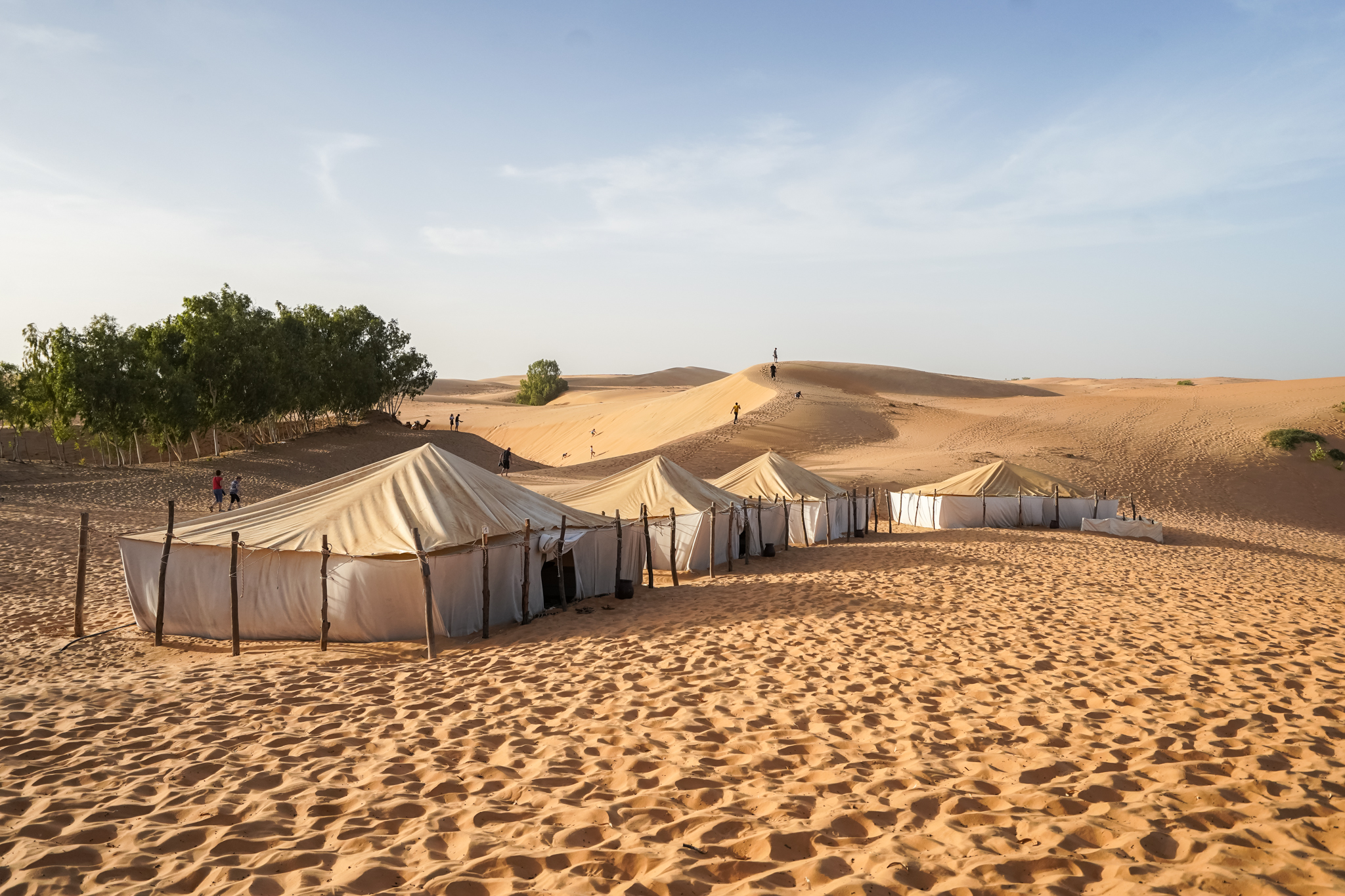
Senegal operates on two main seasons that determine not just the weather, but prices, crowds, road conditions, and even the color of the vegetation. Understanding these seasons means understanding the country.
The Dry Season (November to May): High Season
This is the period chosen by the vast majority of travelers. Skies are clear, roads are passable everywhere, and temperatures remain manageable, particularly between November and February. The harmattan — a dry, slightly dusty wind from the Sahara — sometimes blows from December to February, creating a light haze and drying the air. It's not unpleasant, but staying well hydrated becomes important.
From March onward, temperatures begin to rise. April and May are the hottest months of the dry season, exceeding 40°C in the north and Sahel. For those undeterred by intense heat, these months offer the advantage of fewer crowds and lower prices.
The Hivernage (June to October): The Green Season
Hivernage is the rainy season. Rain typically falls in afternoon showers, leaving mornings often sunny. The vegetation transforms dramatically: baobabs fill with leaves, plains turn green, and the country takes on an entirely different character.
Many travelers avoid hivernage unnecessarily. Yes, some tracks can be flooded and isolated areas become difficult to reach. But prices drop significantly, tourist sites are nearly empty, and nature is at its most beautiful. It's also mango season.
Which Season Depending on Your Destination?
- Dakar and the Petite Côte: Year-round, with a preference for November–March (mild climate, pleasant sea).
- Saint-Louis and the North: November to March for birdwatching (Djoudj), May for the jazz festival, avoid summer (extreme heat).
- Eastern Senegal (Tambacounda, Kédougou): November to February only. Summer is extremely hot and rainy.
- Casamance: December to April to enjoy the forests and villages. The region receives more rain than the north, but its lush vegetation makes it worthwhile.
Key Events to Keep in Mind
The Saint-Louis Jazz Festival takes place in May. The Grand Magal de Touba — one of the largest Muslim pilgrimages in Africa — draws millions of people on a lunar calendar that shifts each year. The ornithological sites at Djoudj and the Langue de Barbarie are active from November to April, during the migration of birds from Europe.
The General Recommendation
For a first trip, November to February remains the ideal window: pleasant temperatures, blue skies, all regions accessible. For travelers looking to avoid crowds and manage their budget, March–April offers a good compromise — the country is still in dry season but less invaded by tour groups.